 PREMONTO
Foresight began in a field.
The name
The Etruscans told of Tages, a child who rose from a furrow near Tarquinia and taught them to read the signs (Cicero, On Divination 2.50). Premonto takes its name from the Latin praemoneo, to forewarn, a word Pliny the Elder used when writing about farming and weather signs.
Two thousand years of reading the signs
Our name comes from the Latin praemoneo, to forewarn. The idea behind it is far older than the word.
Etruscan times
Near Tarquinia a farmer is ploughing when, the story goes, a child rises from the furrow. His name is Tages and he teaches how to read what is coming.
1st century BC
Nigidius Figulus sets down a thunder calendar credited to Tages: a year of daily signs, many of them about crops.
AD 77
In the farming book of his Natural History, Pliny the Elder uses praemonere for the signs farmers read before the weather turns.
6th century AD
John Lydus keeps the calendar alive in Greek. It is how it reaches us today.
2026
Premonto begins its first season in Tuscany, recording the land block by block.
The bird on the mountain
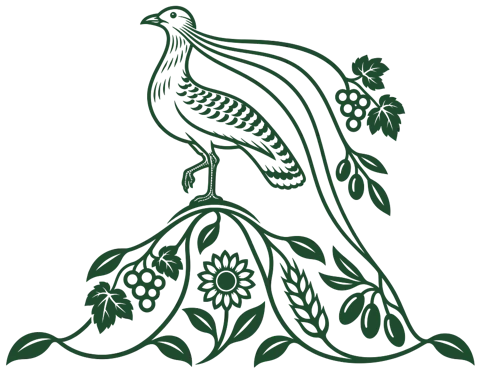
The bird on the mountain in our logo is a great bustard. It thrives on varied, mixed farmland. The presence of the bird signifies the health of your land. This is a visual representation of the goals we aim to achieve.
We are using the great bustard for Premonto because we plan that every farmer who uses our platform will be able to thrive through using mixed agricultural practices backed by the data provided by us.
We all need a bit of laughter in our days, and the bustard's distinctive call always does the job...
How it began
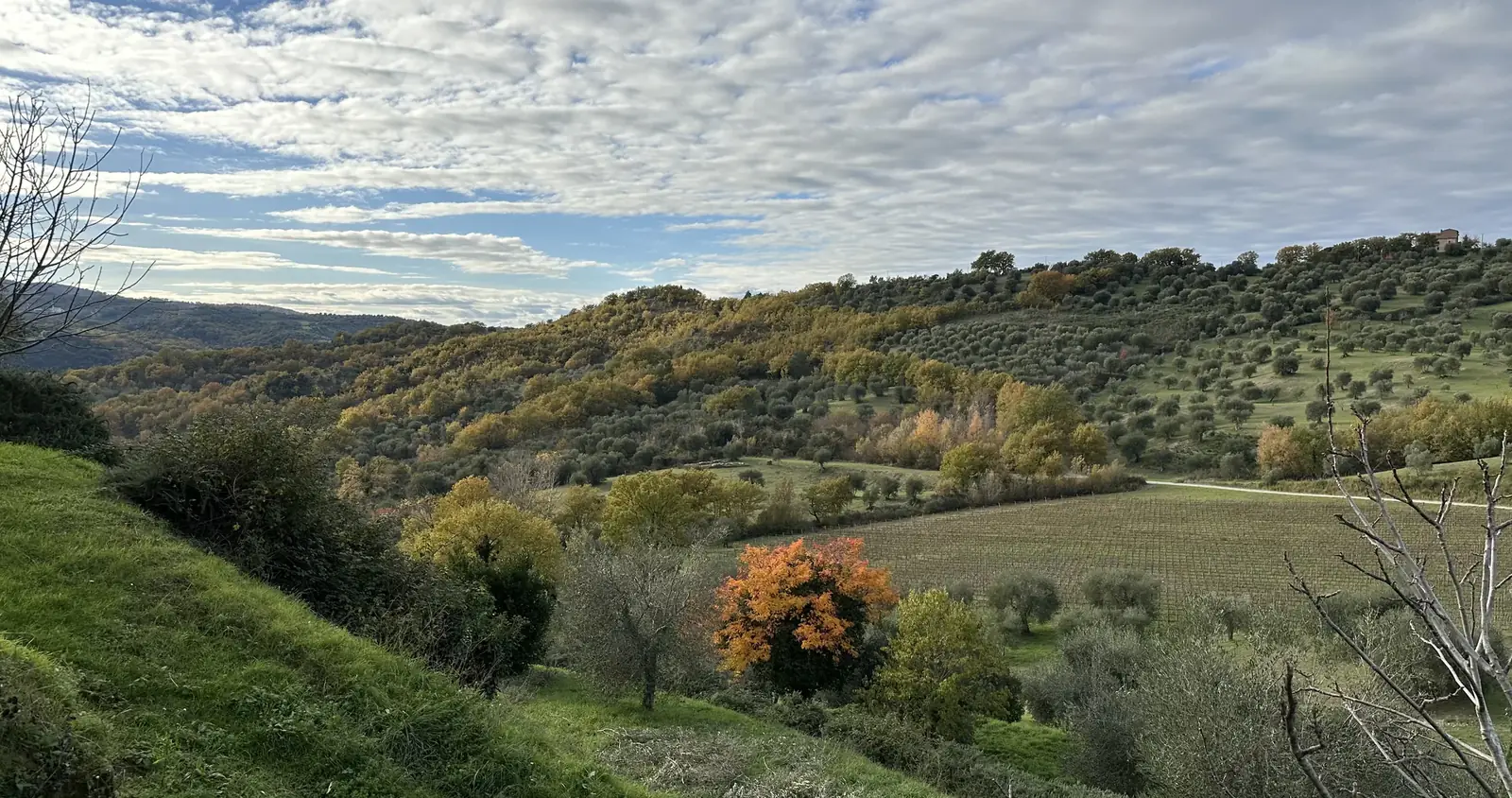
Within the last couple of years, we have witnessed very significant changes in the patterns of harvest at Castello Di Potentino. Some years bring too much rain early in the season, which leaves the plants damp. Others bring a seemingly never-ending summer, and the grapes are harvested two to three weeks earlier than they used to be. I have seen fruit trees die and the growing season stretch longer for vegetables like tomatoes, courgettes and aubergines. These changes make it harder to understand what to do and when. A system that brings all of the data together and gives you clearer information on what to do next is exactly what small farms need.
Climate change is not just a problem for us. It affects everyone and will continue to do so. Large monocultural farming has contributed to the degradation of soils, microlife and biodiversity all over the world. As the present becomes ever more unpredictable for farming, I believe the collective security of farming in the future will be strongest through small, mixed farms.
I grew up at Castello Di Potentino with Charlotte Horton, who has long advocated for polycultural farming because it bolsters the biodiversity and strength of plants growing side by side. From the old practice of planting vines between olive trees to letting indigenous plants grow throughout the vineyards, I learnt and then saw the collective benefits of these practices.
The idea for Premonto stems from those years with Charlotte. More and more, I see the need for small farms to work in this way. Giving them a system that can process information and convey it in a simple and workable manner will help them achieve this.
Otis